Apply now for 2026-2027
Better lives through education
Financial aid that promotes sustainable education in resource-poor Cameroonian families
Transparency
The record
Since 2000, year by year. The list of beneficiaries and amounts is published every September 15th.
Source: foundation records.
Apply
Find out about scholarships
Scholarships can be attributed to all Cameroonian students in general and those in the biological sciences in particular studying in Cameroon. Master 2 and doctoral students are not concerned with this scholarship. However, they could apply when necessary for scholarship to prepare and present their end of course thesis.
About Us
About the foundation
Contributing to poverty alleviation and enhancing the well-being of present and future generations through financial aid that promotes sustainable education in resource-poor Cameroonian families
Our value proposition
A better life through education. Breaking the circle of poverty in Cameroon through reduction of the number of boys and girls from resource-poor families dropping out of school prematurely.
Philosophy
A poor but educated person is better prepared to fight hunger and diseases while protecting his habitat and environment on this globalized planet where everything goes very fast.
Mission
To contribute to poverty alleviation and to enhance the well being of present and future generations in Cameroon through financial aid and other assistance that promote sustainable education in resource-poor Cameroonian families.
Objectives
The Pellé Foundation is a non-religious and apolitical not-for-profit NGO devoted primarily to contribute to the reduction of the number of students leaving school prematurely due to poverty, especially amount girls and boys from poor families.
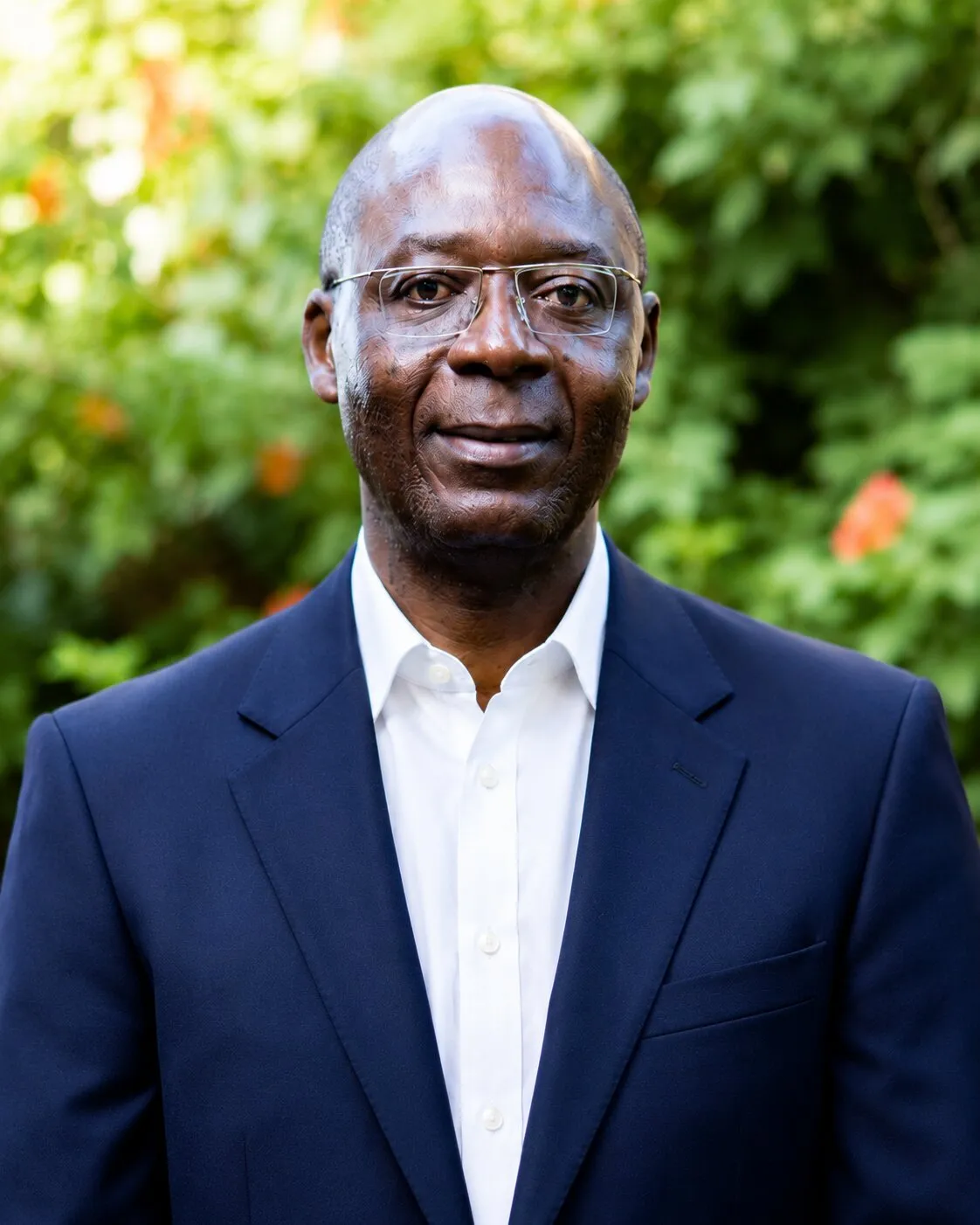
Roger Pellé
About our founder, Roger Pellé
I was born and raised in Cameroon. With a scholarship offered by Cameroon, I completed my undergraduate training at the University of Yaoundé, where I received a B.Sc. in 1979 and a M.Sc. in biochemistry in 1980. I applied biochemical techniques while working at the Institut Pasteur of Yaoundé in 1981 and 1982. With a scholarship granted by the Kingdom of Belgium, I subsequently went to Belgium for postgraduate studies at the University of Louvain, where I obtained a M.Phil. in 1985 in Applied Biology and Environment and a PhD in 1989 on the identification and characterization of developmentally regulated oncogenes in embryo cells. My annex thesis demonstrated that microsatellite probes could be used in cell cloning for molecular characterization of single cells.